
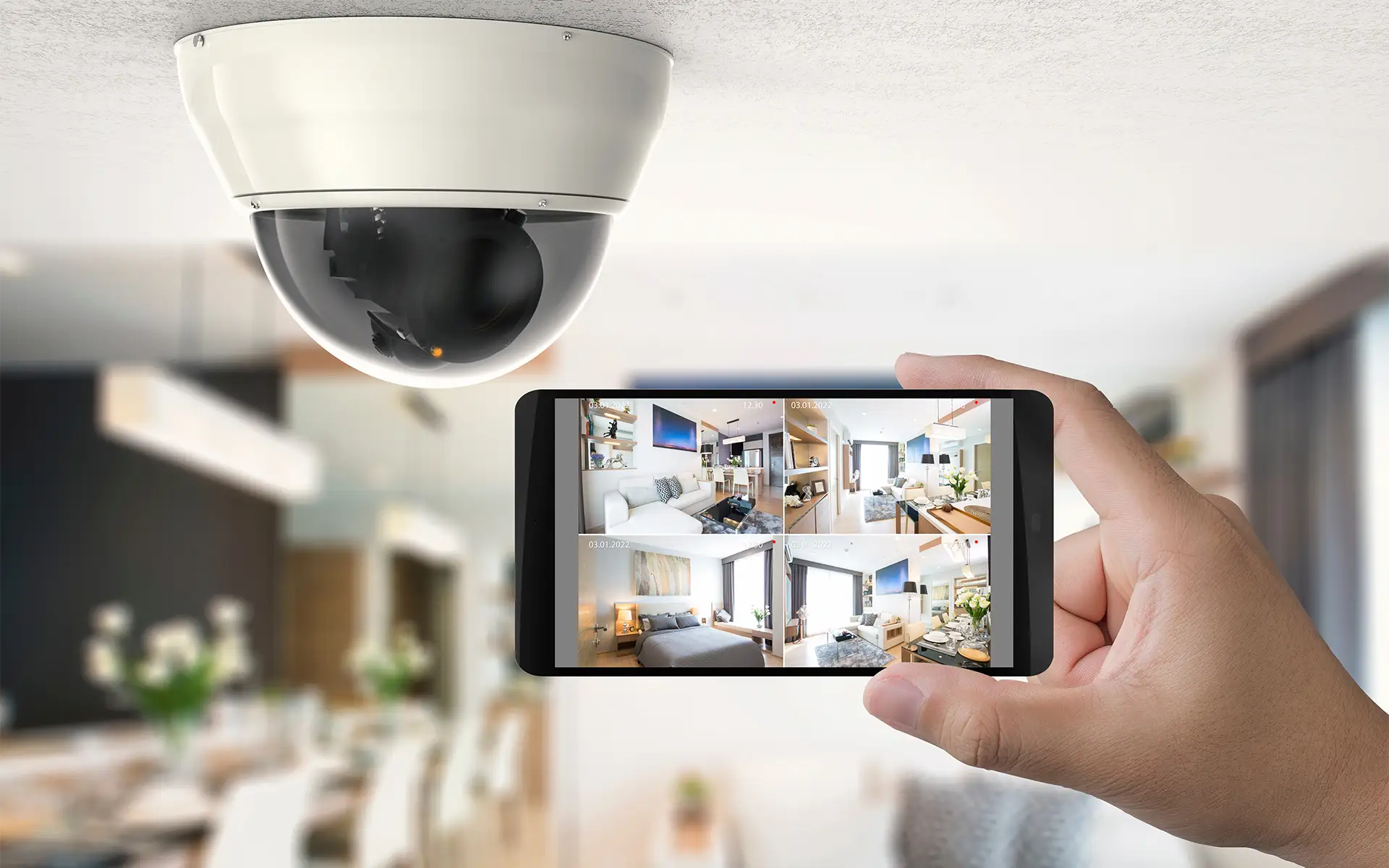
Security is a top priority for most homeowners, especially in big cities like Los Angeles. When considering options to keep your home safe, there are two types of security solutions: off-the-shelf consumer systems or professionally installed systems that integrate with a whole-home automation platform. For most, the best home automation security system depends on lifestyle and expectations. In this blog, we’re sharing everything you need to know about whole-home integrated security systems, including how they compare to self-installed, plug-and-play systems.
Key Takeaways
- Learn how home automation security systems differ
- Key features to look for with your best home automation security system
- Learn about DIY vs professional installation
What Makes a Home Automation Security System Different?
Thanks to Wi-Fi connectivity, home security systems are more accessible than ever. However, while adding a camera and sensors to your home may be simple, not all systems deliver the same level of protection or integration. The key differentiator is how the system and devices function within the home’s ecosystem.
For homeowners who want security to work seamlessly alongside the rest of their smart home, a home automation security system fits the bill. What is a smart home security system? These systems are designed to integrate with your home’s ecosystem, working alongside your lighting, locks, cameras, shades, motion sensors, and other smart devices – even voice assistants. A smart home security system allows everything to communicate seamlessly with each other through a central hub or a mobile app. The result is a coordinated security solution that offers seamless access, tailored programming, and real-time monitoring, whether you are at home or away.
Key Features to Look for in an Integrated Security System

Depending on your home’s setup, there are several key features to look for in a home security system’s automation. Integration and automation are essential to ensuring everything runs smoothly and that your home’s smart devices communicate effectively with your security features. To accomplish this, the best automated home security systems typically include the following.
Professional Monitoring vs Self-Monitoring
A security system is pointless without monitoring capabilities. Depending on the system, there are two options: professional monitoring or self-monitoring. There are benefits and drawbacks to both, so it really boils down to either your system’s setup or your comfort level. With professional monitoring, you get a high level of 24/7 security that effectively monitors and manages threats by alerting police or fire departments. Self-monitoring is less expensive and often preferred for privacy. However, it places the burden of monitoring on the homeowner, including contacting the authorities to handle threats.
Video Surveillance and Camera Integration
Reliable video surveillance is essential to home security. Indoor and outdoor security cameras and video doorbells allow you to visually monitor your property, record footage, or even speak to visitors through two-way audio. The best home security system with automation for your smart home should include cameras that integrate with other smart systems and devices, like PTZ camera installations. For example, if an outdoor camera detects a person lurking around your property, automation programming can trigger all exterior lights, or even interior lights, not just those triggered by a sensor.
Smart Door Locks and Access Control
Most of today’s best automated home security systems include smart locks and access control. This is an essential security feature for controlling who can come and go, even when you aren’t at home. For example, integration with your home’s smart lighting can automatically activate entry lights based on programmed triggers.
Motion Sensors and Alarm Panels
These are essential features for any security system, automated or not. Motion sensors in and out of the house keep you apprised of activity, triggering alerts based on programming. Although most home security systems with automation can be controlled via an app, a central alarm panel is still essential for backup or total system control.
Intercoms and Gate Control
If applicable, these features act as your property’s gatekeepers. Their integration with your smart home automation provides seamless access management, visitor verification, and perimeter defense through a single interface.
Smart Device Automation
The beauty of a home automation security system is its ability to work alongside your home’s smart ecosystem. That means all smart devices can communicate, including smart thermostats, lightbulbs, locks, appliances, and more. Smart device automation allows you to set activation/deactivation routines for your security and home ecosystem based on your lifestyle, including time of day, specific events, and more.
Mobile App Control & Alerts
Today’s best automated home security systems typically offer remote access and control via smart devices, allowing users to conveniently monitor and adjust security settings and receive real-time alerts.
Professionally Integrated vs DIY Security: What's the Real Difference?
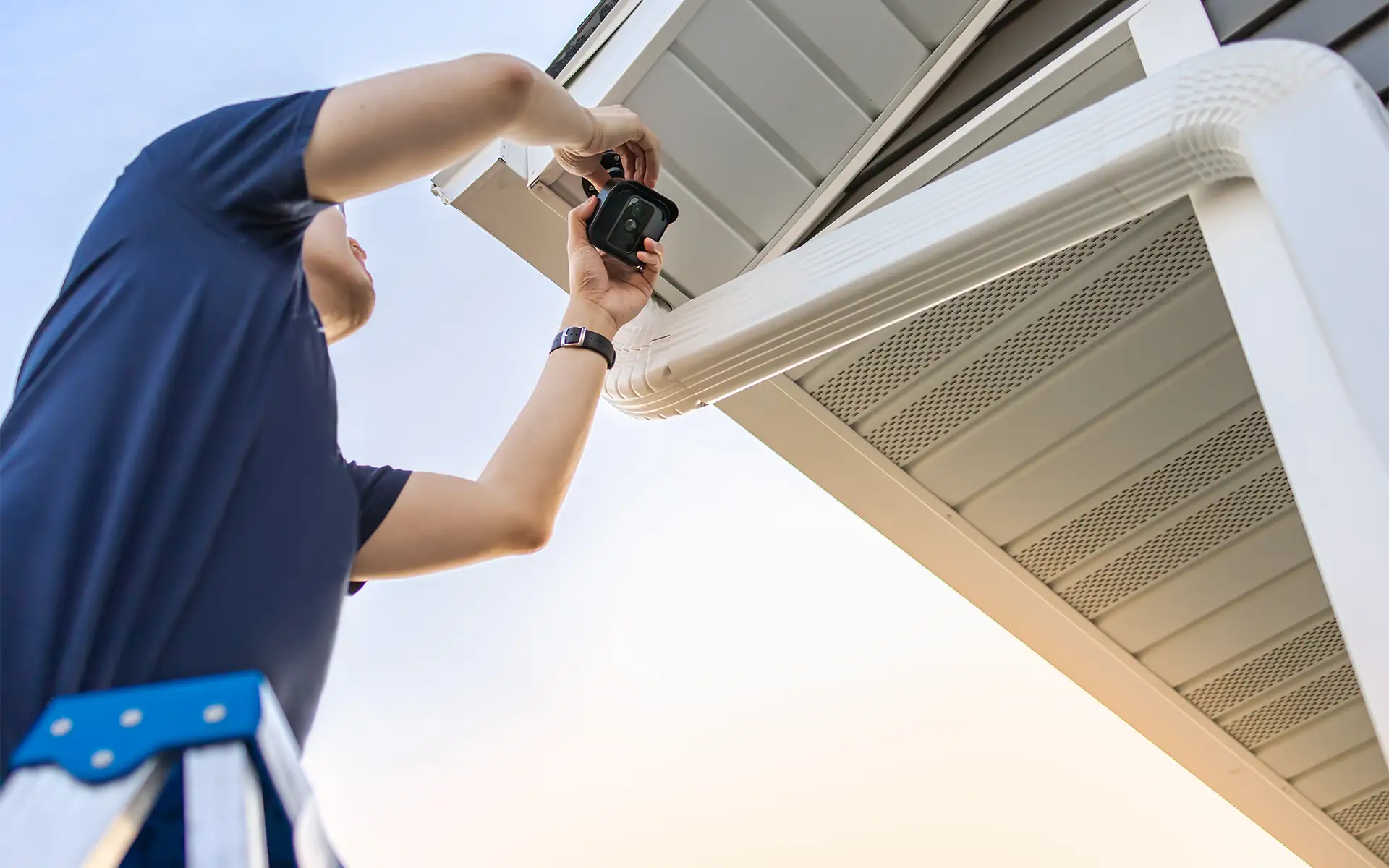
When researching the best home automation security system, an important decision will factor into the cost and outcome: DIY or professional installation. While both options will provide the security you’re seeking, the differences in performance, reliability, and long-term value are significant.
Installing a security system yourself can offer quick setup and lower upfront costs, especially with the plug-and-play models available. DIY-friendly solutions typically include wireless cameras, door sensors, and mobile app access, making them a practical choice for smaller spaces or basic monitoring needs. However, they often rely heavily on Wi-Fi, leaving your system vulnerable to connectivity drops and outages without the support of reliable Wi-Fi network systems. Integration between devices or with your smart home ecosystem can also be limited, resulting in a more fragmented user experience.
How does a professionally installed and integrated automated home security system compare? Going this route ensures that your home’s security becomes an extension of your home’s smart ecosystem. For those who take security and privacy seriously, working with professionals ensures your property is reliably protected by the best security system for home automation. You can expect expert integration of system components and enterprise-grade networking to ensure your security is seamlessly aligned with your home’s intelligent ecosystem.
Professional integration also supports customization and scalability, tailoring the system to your home and property, your family’s routines, and your specific security concerns. The best automated home security systems should adapt and grow with your needs, whether that’s monitoring aging parents or programming advanced automation scenarios.
MIR Audio Video: Trusted Home Automation Security Installation
Ultimately, if your goal is true peace of mind, a professionally integrated solution offers a level of security, reliability, and control that DIY systems simply cannot match. Professionally installed automated security systems create a smarter, safer environment that aligns with your unique lifestyle and property needs.
For more than 30 years, MIR Audio Video has been proactively protecting Los Angeles homes and businesses with tailored security systems that use the most advanced equipment on the market. Every installation begins with a consultation to determine the best home automation security system for your needs. Our courteous and professional experts carefully consider all aspects of integration to ensure your security seamlessly connects with your smart home. From design and installation to system programming, working with MIR delivers flawless performance, keeping your property and loved ones reliably protected, 24/7.
Frequently Asked Questions: Home Automation Security Systems
What is the best home automation security system?
The best fit is one that seamlessly integrates with your home and lifestyle, while meeting your security needs. For true automated security functions, the system should integrate with central hubs such as Control4 and Savant to ensure greater reliability and advanced automation.
Can Ring or SimpliSafe integrate with Control4 or Savant?
Ring and SimpliSafe are primarily standalone DIY systems and not typically compatible with platforms like Control4 or Savant. Professionally integrated automated home security systems should operate within a unified ecosystem to improve performance and control.
Do I need a separate security system if I have a smart home?
Most professionally designed smart home systems include built-in security features such as surveillance, access control, and monitoring. If not, compatible systems can be integrated to provide security, monitoring, and more.
What cameras work best with home automation systems?
Cameras designed for professional integration and compatibility with home automation hubs, such as PTZ cameras, work best. These cameras typically offer higher reliability, better video quality, and seamless integration with automation features.